How Often Should You Clean Your Mattress? A Complete Guide for New Zealand Homeowners
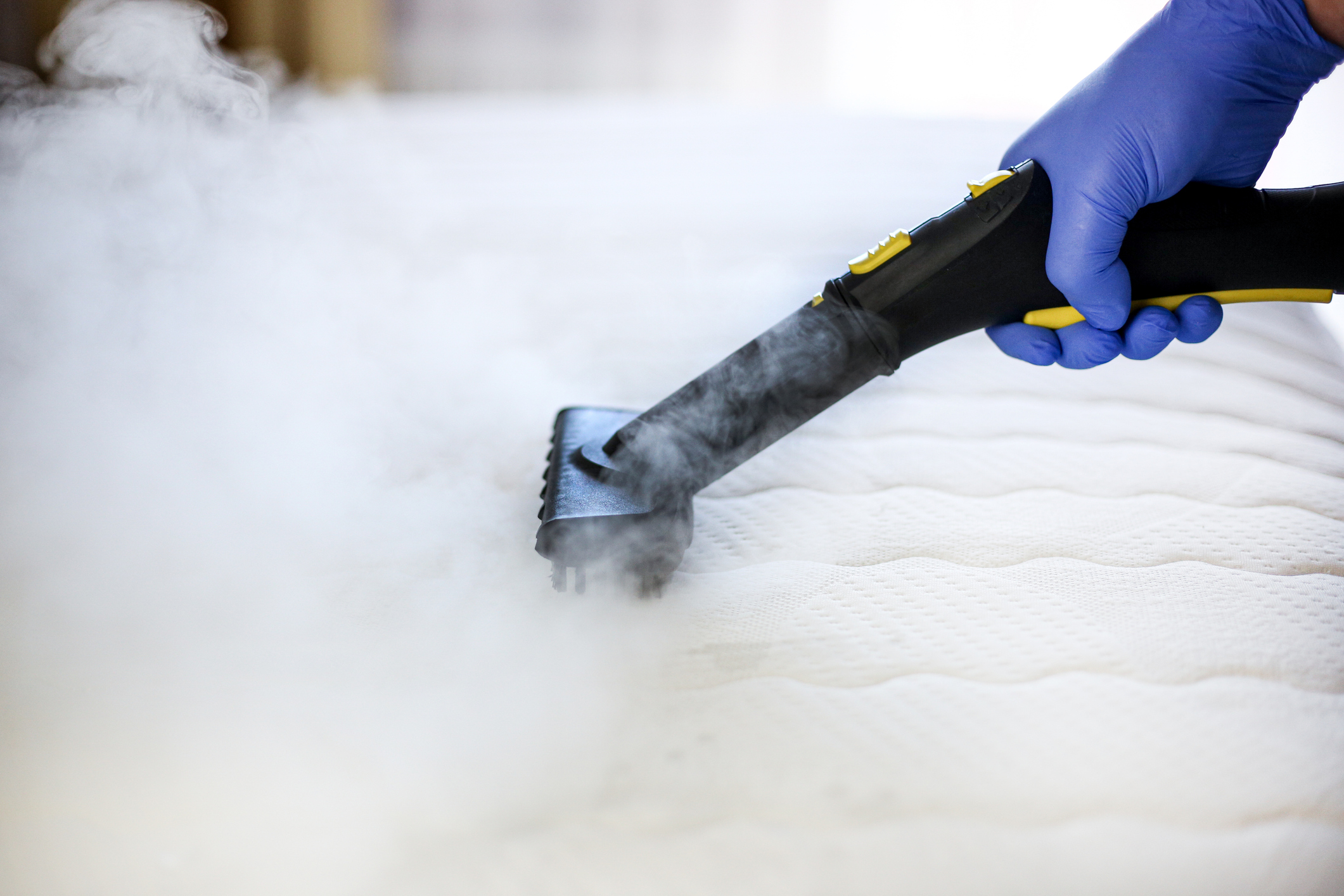
Your mattress is where you spend roughly one-third of your life, yet it's often the most overlooked item when it comes to household cleaning. For new homeowners, understanding proper mattress care can feel overwhelming, but it doesn't have to be. Here's everything you need to know about keeping your mattress clean, healthy, and lasting longer.
Why Mattress Cleaning Matters
Every night, our bodies generate perspiration and shed dead skin cells, some of which will end up in the mattress. This creates an environment for dust mites, bacteria, and allergens to accumulate.
Consider this: you wouldn't wear the same shirt for six months without washing it. Your mattress collects sweat, dead skin, dust and allergens night after night.
General Cleaning Frequency Guidelines
The best practice for mattress cleaning is to perform a thorough cleaning every six months. This timing works well because it aligns with seasonal changes, eliminating allergens and debris.
For basic maintenance, you should:
- Vacuum monthly: A quick vacuum when you change sheets keeps dust and debris at bay
- Deep clean twice yearly: Every six months for a thorough cleaning
- Address spills immediately: Don't let stains set in
Special Considerations for Different Households
If You Have Allergies or Asthma
Allergy sufferers may need more frequent cleaning. If allergies are your arch-nemesis, consider upping the cleaning game and if you suffer from allergies, asthma, or have pets that sleep on your bed, quarterly cleanings may be more appropriate.
Recommended schedule: Every 3-4 months
Signs you may need more frequent cleaning:
- Morning symptoms like sneezing, congestion, or itchy eyes upon waking; skin irritation or unexplained rashes; worsening asthma or increased respiratory difficulties at night
Homes with Children
Children are especially vulnerable to allergies, and their developing immune systems can be easily triggered by allergens lurking in their mattresses. Kids tend to spend more time in bed, increasing their exposure to dust mites and other allergens.
Recommended schedule: Every 3-4 months
Additional considerations:
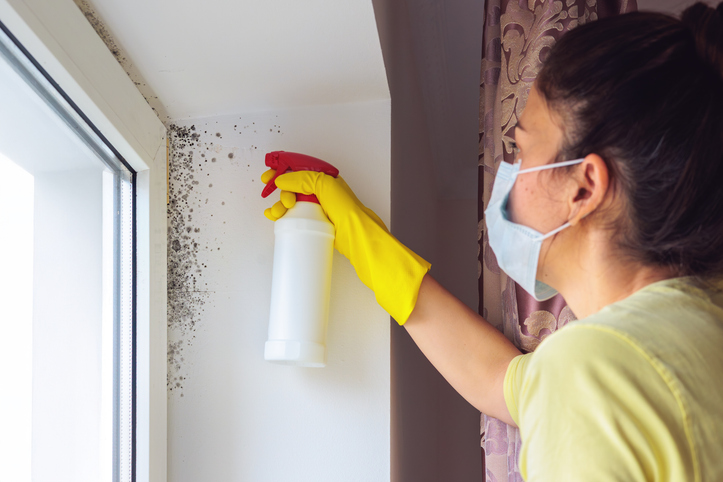
- Bedwetting accidents can create a damp environment that encourages mold growth
- Use waterproof mattress protectors
- Wash bedding and mattress covers frequently in hot water (at least 60°C) to kill dust mites
Pet Owners
If your pets share your bed, you'll likely need to clean more frequently. Clean your mattress every 3-6 months (every 3 if you have pets).
Recommended schedule: Every 3 months
Why pets increase cleaning needs:
- Pet dander accumulates in mattress fibres
- Pet dander can cause allergic reactions like sneezing, itchy skin, and watery eyes
- Pets can track in outdoor allergens
Essential Maintenance Steps
1. Regular Vacuuming
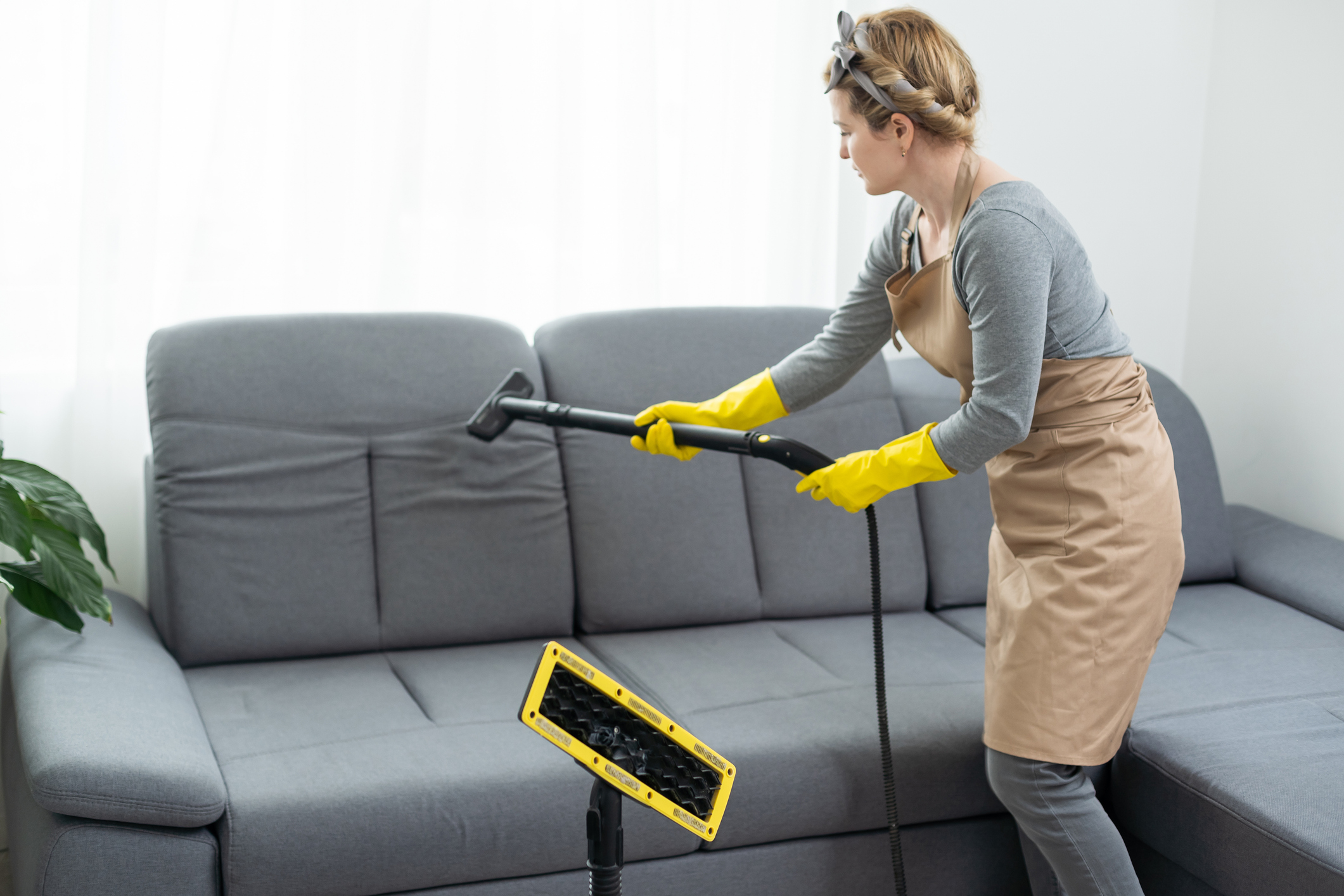
Vacuum the entire mattress surface with the upholstery attachment, paying close attention to seams and crevices, where dirt, dust, and dead skin can collect.
Frequency: Monthly, or when changing sheets
How to do it:
- Use your vacuum's upholstery attachment
- Work slowly across the entire surface
- Pay extra attention to seams and edges
- Switch to your vacuum's crevice attachment to get in deep
2. Mattress Rotation Schedule
Rotation isn't cleaning, but it's important for even wear and easier cleaning access. Rotate your mattress head-to-foot every 3-6 months to prevent sagging and extend its life.
Rotation frequency by mattress type:
- Memory foam: Every 3-4 months
- Latex: Every 6 months
- Hybrid mattresses: Every 3 months
- In the first year, rotate every 3 months while materials are breaking in
Important note: Most modern mattresses should NOT be flipped. Pillow-tops, hybrids, and most memory foam mattresses are designed one-sided.
3. Airing Out Your Mattress
Fresh air and sunlight can help sanitize. If you can place the mattress near a window, do so. Sunlight will add its sanitizing power.
How to air out properly:
- Strip all bedding
- Open windows for cross-ventilation
- Let the mattress breathe for several hours
- Open windows to let light and sunshine in - the sun's UV rays work to kill mould and bacteria
4. Deep Cleaning Process
When it's time for a thorough clean:
- Strip the bed completely - Remove all sheets and bedding and toss those items in the wash
- Vacuum thoroughly - Cover the entire surface, including sides
- Spot treat stains - Use enzyme-based cleaners for bodily fluids or a simple solution of 1 teaspoon mild dish detergent and 1 cup warm water for other stains
- Deodorize - Sprinkle baking soda over the entire surface and leave for 24 hours for best results
- Final vacuum - Remove all baking soda residue
When to Schedule Professional Cleaning
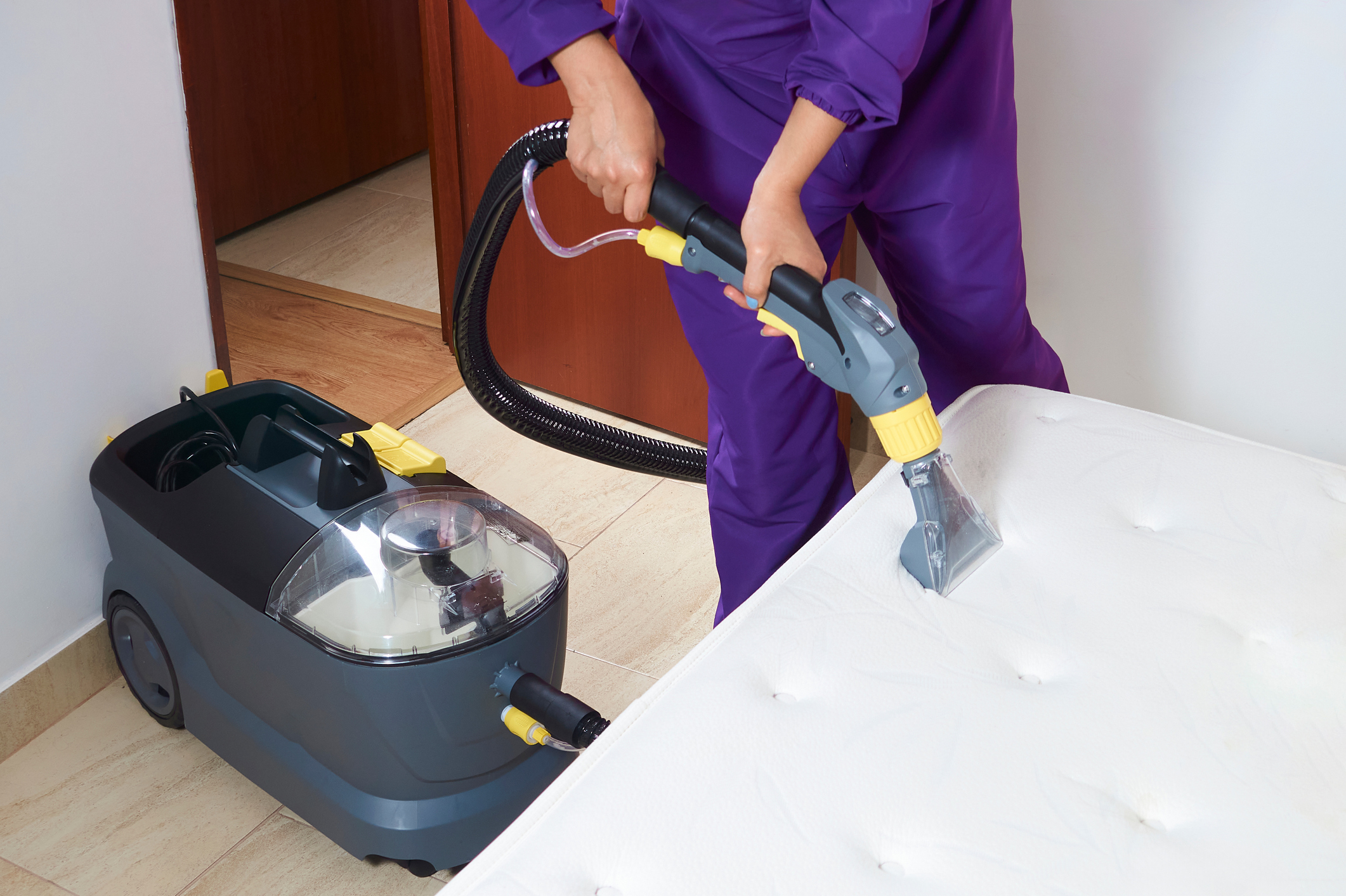
Industry professionals typically recommend scheduling professional mattress cleaning every six months to every year. However, certain situations warrant immediate professional attention:
- Spills, illnesses, or bedwetting accidents warrant immediate professional cleaning. Acting quickly can prevent odors and stains from setting in, while also eliminating potential bacteria or mold
- Persistent odors that home cleaning can't eliminate
- Visible stains that won't come out
- Individuals with asthma or severe allergies often notice significant improvements in their symptoms after professional cleaning
Signs Your Mattress Needs Immediate Cleaning
Don't wait for your scheduled cleaning if you notice:
- Strange or unpleasant odors - which can be caused by sweat, body oils, and other fluids that have soaked into the mattress
- Visible stains marring your mattress
- Increased allergy symptoms such as sneezing, itching, or skin rashes
- Allergies worse at night - a clear sign that allergens like dust mites and pet dander exist within your mattress
Health Benefits of Proper Mattress Hygiene
Maintaining a clean mattress may contribute to:
- Better sleep quality: Clean mattresses can contribute to good sleep hygiene. A fresh bed may help reduce odors and discomfort
- Reduced allergies: Proper cleaning eliminates allergens, offering noticeable relief and better sleep quality
- Asthma management: For people with asthma, mattress allergens can trigger attacks, causing wheezing, shortness of breath, and chest tightness
- Skin health: Cleaner sleeping surfaces may reduce the risk of skin irritation and breakouts
Creating a Mattress Care Schedule
Here's a simple schedule to consider:
Monthly:
- Vacuum mattress surface
- Wash sheets in hot water (at least 60°C)
Every 3-6 months (depending on your household needs):
- Rotate mattress
- Deep clean with baking soda treatment
- Assess for stains or odors
Every 6-12 months:
- Consider professional deep cleaning
- Replace mattress protector if worn
- Industry recommendations suggest mattresses should be replaced every 7-10 years to avoid excessive allergen buildup
The Bottom Line
Mattress cleaning doesn't have to be complicated, but regular maintenance is important. This practical routine maintains cleanliness and is manageable for most homeowners. Start with the six-month general guideline, then adjust based on your household's specific needs.
A clean mattress may contribute to better sleep, improved health, and a longer-lasting bed. Establishing good mattress care habits from the start can be worthwhile for both comfort and hygiene.

GetCharlie
Hire local verified tradespeople to maintain your home
Hire local verified tradespeople to maintain your home
Learn more about GetCharlie and get started today.
Visit GetCharlie