🏠 Residential Asbestos FAQ (New Zealand)
1. What is asbestos?
Asbestos is a naturally occurring mineral that was widely used in building materials because of its strength, fire resistance, and insulation properties. It was commonly used in homes built or renovated before the 2000s.
2. What is the history of asbestos in New Zealand?
- Asbestos was heavily used in NZ construction from the 1940s through to the late 1980s
- Its use began declining in the 1990s as health risks became widely known
- Most asbestos-containing materials (ACMs) were banned by the early 2000s
- In 2016, stricter regulations were introduced under WorkSafe NZ governing its handling and removal
3. How many homes in New Zealand are affected by asbestos?
It’s estimated that:
- Hundreds of thousands of homes in New Zealand may contain asbestos
- Any home built or renovated before 2000 is likely to have some asbestos-containing materials
Common locations include:
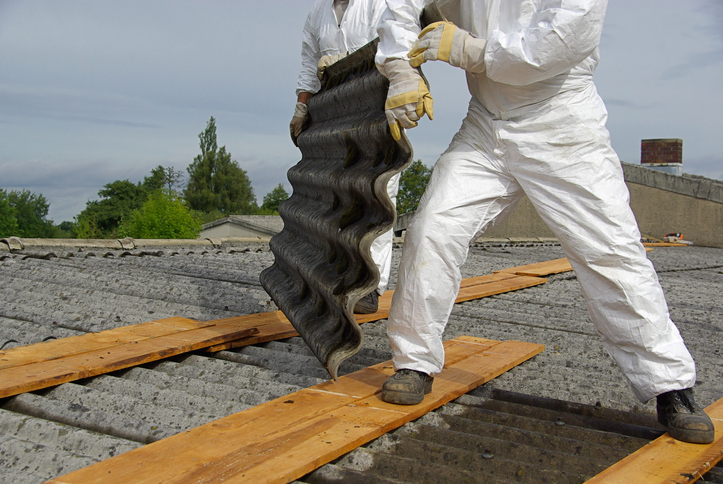
- Roofing (corrugated cement sheets)
- Cladding and wall linings
- Soffits and eaves
- Vinyl floor tiles and backing
- Fencing
- Pipe lagging and insulation
4. What is the problem with asbestos?
Asbestos becomes dangerous when fibres are released into the airand inhaled.
Exposure can lead to serious diseases such as:
- Asbestosis (lung scarring)
- Mesothelioma (a rare and aggressive cancer)
- Lung cancer
⚠️ Important:
Asbestos is generally safe if undisturbed and in good condition. The risk arises when it is:
- Cut
- Drilled
- Broken
- Sanded
- Removed incorrectly
5. Who can assist with asbestos removal from a property?
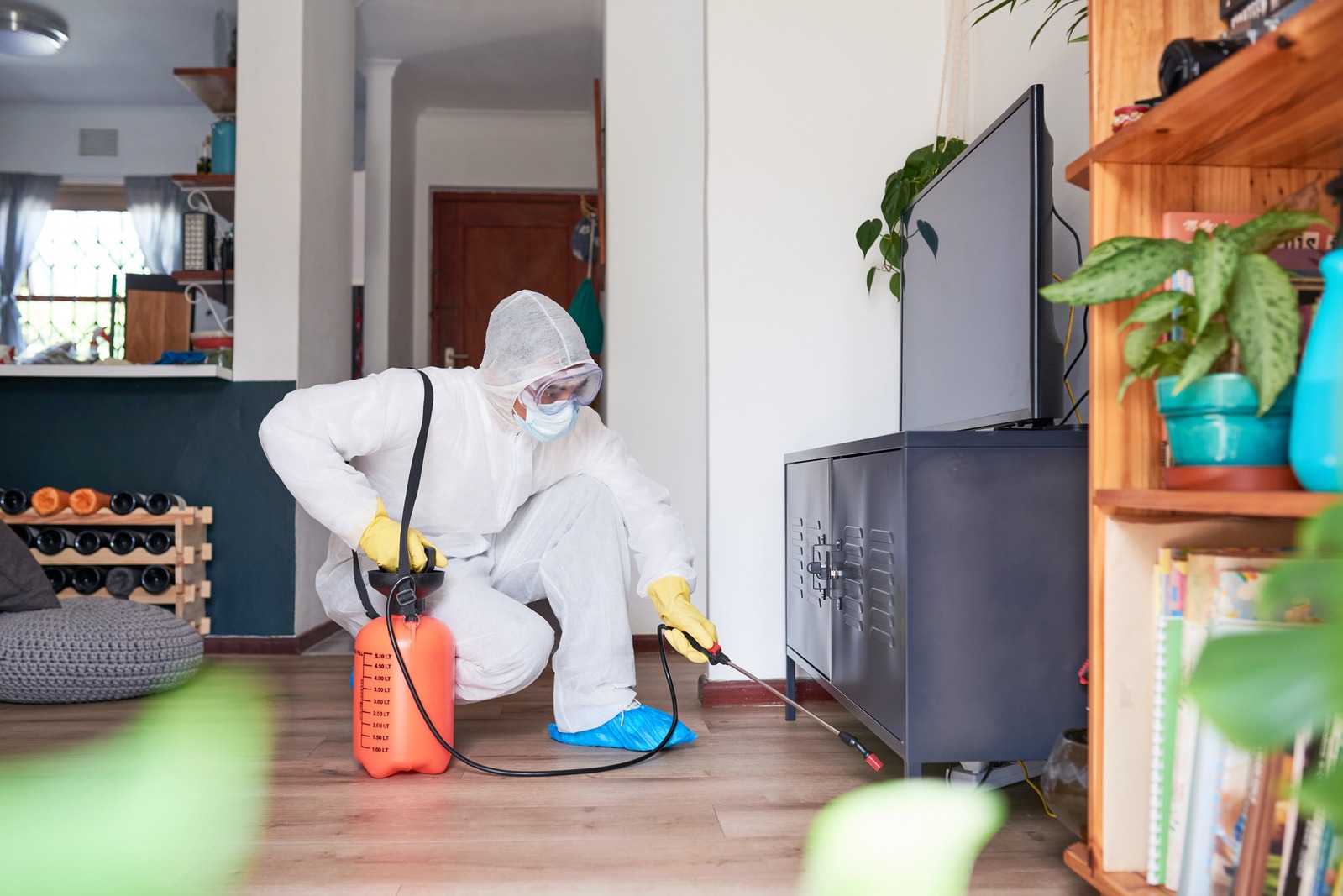
In New Zealand, asbestos removal should be carried out by licensed professionals.
You should contact:
- Licensed Asbestos Removalists (WorkSafe NZ certified)
- Environmental health contractors
- Specialist demolition companies
For larger or high-risk work:
A Class A or Class B licensed contractor is required under NZ law
👉 WorkSafe NZ provides a list of licensed removalists.
6. Who disposes of asbestos?
Asbestos cannot be disposed of like normal waste.
Proper disposal involves:
- Transport by approved contractors
- Disposal at licensed landfill facilities
In Auckland, disposal is typically handled through:
- Approved transfer stations or landfills that accept hazardous waste
⚠️ Illegal dumping carries significant fines and health risks.
7. Is it safe to remove asbestos from your property yourself?
Short answer: Usually no (and often illegal for certain types).
DIY removal may be allowed ONLY if:
- The material is non-friable (bonded asbestos)
- The quantity is small
- You follow strict safety procedures
However, risks include:
- Fibre exposure to yourself and others
- Contamination of your home
- Legal non-compliance
- Improper disposal
👉 For safety and compliance, it is strongly recommended to use licensed professionals.
8. What should I do if I suspect asbestos in my home?
- Do not disturb the material
- Arrange for asbestos testing by a qualified assessor
Seek advice on:
Removal
Encapsulation (sealing)
* Ongoing management
9. Can asbestos be left in place?
Yes — if it is:
- In good condition
- Not damaged or deteriorating
- Unlikely to be disturbed
This is called “managing in place” and is often safer than removal.
10. How can Service Providers (like GET Charlie) help?
While specialist removal requires licensed contractors, service providers can:
- Identify potential asbestos risks during site inspections
- Recommend certified removal partners
- Help manage exterior surfaces safely (e.g., cleaning methods that avoid fibre release)
- Support compliance and documentation for property owners
Visit Get Charlie Connect with Reliable Residential Asbestos Specialists in Auckland.

GetCharlie
Hire local verified tradespeople to maintain your home
Hire local verified tradespeople to maintain your home
Learn more about GetCharlie and get started today.
Visit GetCharlie