Rental Bond Cleaning: Why It Matters and How to Get Your Bond Back

Moving out of a rental property is stressful at the best of times. There's packing, logistics, change-of-address paperwork, and the looming pressure of a final inspection. But one thing sits above all of it when it comes to getting your money back: rental bond cleaning.
Getting it right means your bond is refunded in full. Getting it wrong means deductions, disputes, and extra costs you hadn't budgeted for. This article explains what bond cleaning actually involves, what property managers look for, and how to approach the process without cutting corners.
What Is Rental Bond Cleaning?
Bond cleaning, also called end-of-lease cleaning or vacate cleaning, is a thorough, top-to-bottom clean of a rental property carried out before you hand back the keys. Unlike your regular weekly tidy, this type of clean is more detailed and covers areas you'd rarely touch during normal day-to-day living.
The goal is straightforward: the property should be returned in a condition consistent with how it was at the beginning of the tenancy, allowing for fair wear and tear. This is the general principle most property managers and landlords apply, though the precise legal standard varies by jurisdiction — check your local tenancy authority or legislation for the exact wording that applies to you.
End-of-tenancy cleaning is a deep clean of a rental property at the end of a lease. It typically covers all rooms, including kitchens, bathrooms, bedrooms, living areas, hallways, and sometimes outdoor spaces.
Why It Directly Affects Your Bond
Your bond is a financial deposit you paid at the start of your tenancy. It acts as security for landlords against unpaid rent, damage beyond fair wear and tear, or cleaning costs at the end of your tenancy.
Cleaning is widely cited by property managers as one of the most common reasons landlords dispute bond claims. It's not accidental damage or broken fixtures that most commonly lead to deductions. It's cleaning. A dirty oven, grimy shower grout, or dusty blinds can cost you part of your bond, even if the property is otherwise in good shape.
The cleaning standard is generally described as "reasonably clean and tidy," relative to the state at entry. If the property was professionally cleaned before the tenancy and the tenant leaves it without cleaning, a professional cleaning invoice is a standard deduction in many jurisdictions.
Tenancy laws differ significantly between regions, so it is important to check the rules that apply where you live. For example, in New Zealand, the Residential Tenancies Act sets out obligations around cleanliness, and Tenancy Tribunal decisions have addressed what lease clauses are and are not enforceable — but the nuances are complex and have evolved over time. This article does not constitute legal advice. If you are unsure of your obligations, consult your local tenancy authority or a qualified adviser.
In general terms, you don't always have to hire a professional cleaner — but you do need to meet the required standard. If you can achieve that yourself, that's fine. If you can't, professional help may be worth considering.
Understanding Fair Wear and Tear
One of the most misunderstood aspects of moving out is the distinction between fair wear and tear and actual damage. Getting this wrong can lead to unnecessary anxiety or, worse, disputes you weren't prepared for.
Fair wear and tear is the gradual deterioration of a property due to normal use over time. It reflects the expected decline in condition, even when the tenant has looked after the place.
Practical examples help here. Small scuffs, minor marks from furniture, and light discolouration over a long tenancy are generally fair wear and tear. Holes from heavy shelving anchors, deliberate marks, or damage from furniture being dragged are not.
If a tenant was living in the property the way it was intended, cleaning it regularly and not causing damage to the premises, landlords generally cannot charge tenants for fair wear and tear. The burden is typically on the landlord to prove that any deduction relates to damage beyond normal use — though the exact rules vary by jurisdiction.
Where cleaning is concerned, the dividing line is condition. If a tenant doesn't keep the place reasonably clean and tidy or leaves rubbish behind at the end of the tenancy, this can contribute to wear and tear that is more rapid than would usually occur. If this is the case, the tenant may be asked to pay for the damage.
What Property Managers Actually Inspect
Most landlords use a standardised inspection checklist. They compare the unit's condition against the move-in inspection report, and any damage or uncleaned areas beyond normal wear and tear can result in deductions.
So where do they look first? The areas they focus on most include appliance interiors such as inside the oven, refrigerator, microwave, and dishwasher; bathroom fixtures including soap scum, mildew, grout discolouration, and toilet stains; floors including stains on carpet and grime in tile grout; and walls and ceilings including scuff marks and smoke stains.
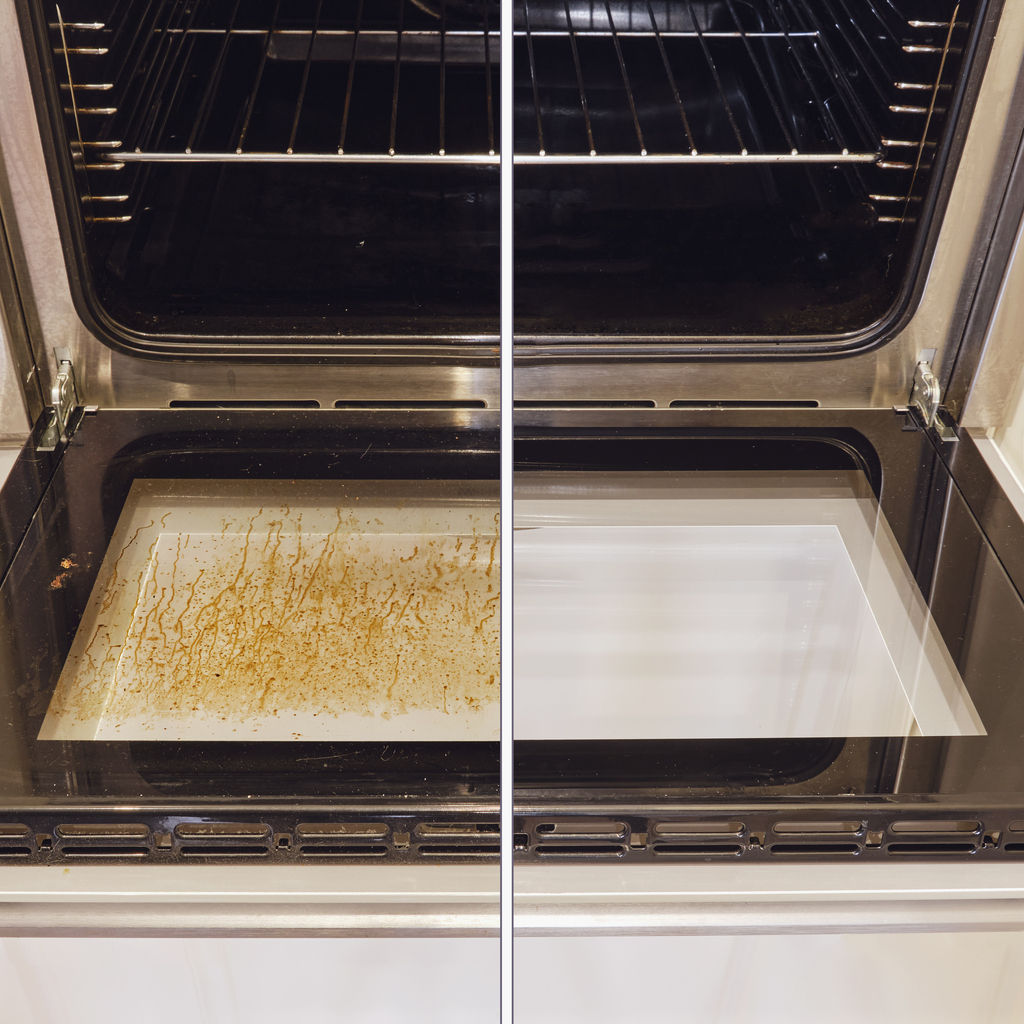
The kitchen tends to take the most time during inspections. Even when a tenant has cleaned the visible counters, critical inspection points are usually inside the oven, inside the refrigerator, around the range hood, and in the cabinet corners.
The bathroom is scrutinised closely too. A clean kitchen can still result in deductions if the shower corners are darkened, the toilet base has buildup, or the exhaust fan is packed with lint.
Inspectors typically go room by room, often using formal checklists that cover floors, walls, skirting boards, cupboards, appliances, and windows.
For rentals with outdoor spaces, those aren't overlooked either. If your rental includes a balcony, patio, garden, or garage, these areas must also be cleaned.
Areas Tenants Commonly Miss
Many renters clean the obvious areas but still miss key details. Understanding what inspectors look for helps protect your deposit and avoid last-minute surprises.
Here are the spots that frequently cause problems:
Window tracks and blinds. Thick dust buildup on blinds and grimy window tracks are quick inspection points. They're easy to overlook because you stop noticing them when you live somewhere. Inspectors won't.
Skirting boards, door frames, and light switches. Door frames collect hand oils and dust. These areas are often missed during cleaning but noticed during inspections.
Behind and under appliances. Grease and dust accumulate in places that are out of sight. Bond cleaning should cover areas like behind appliances, window tracks, skirting boards, and light fixtures.
Bathroom grout and caulking. Mould and mildew commonly appear where the tub edge meets the wall, behind the faucet line, and at the bottom corners of shower enclosures. These are spots inspectors check.
Inside cupboards and wardrobes. Closets often collect dust and move-out debris. A thorough clean should include vacuuming floors and wiping shelf surfaces inside wardrobes.
The rangehood filter. Built-up grease in the rangehood filter is a common cause of bond deductions. It's one of those areas that looks clean from a distance but fails close inspection.
Many renters lose part of their bond because of small misses, not major damage. Keeping that in mind can help you approach the clean with the right level of attention.
Practical Tips for a Thorough Bond Clean
Start with your lease agreement
Each rental contract may contain specific cleaning requirements. Some demand cleaning of carpets, pest treatment, or professional cleaning of windows before you leave. Read your lease and inspection report carefully so that you know what is required — and check your local tenancy laws to understand which clauses are enforceable in your jurisdiction.
Use your entry condition report as a guide
Property managers and landlords tend to compare the existing state of the property with the move-in report. Any missed spaces, stains, or damage may attract a partial deduction of the bond. Pull out your entry condition report and use it as a room-by-room reference. If something was noted as already damaged when you moved in, you won't be held responsible for it now.
Clean after furniture is removed
Cleaning around furniture means you'll miss the areas landlords check most, including under beds, behind couches, and inside closets. Schedule the main clean once the property is empty. It's faster and more thorough.
Work from top to bottom in each room
Start with ceiling fans, light fittings, and tops of cupboards. Work down to benches and surfaces, then finish with floors. This way, any dust or debris that falls during cleaning gets picked up at the end rather than settling on surfaces you've already cleaned.
Give the kitchen and bathroom extra time
These two rooms take the longest and receive the most scrutiny. The oven alone can take considerable time — potentially an hour or more — if it hasn't been cleaned regularly. Budget for that.
Document everything
Photograph the cleaned state of every room, including inside appliances and wardrobes. Timestamped photos give you a clear record if anything is disputed later.
Don't rush
Starting several days before move-out is generally more reliable than attempting everything on the final day. Trying to do everything in one day while also moving furniture is a recipe for missed spots.
Pets, Carpets, and Special Obligations
If you had pets during your tenancy and this was permitted under your agreement, there may be additional cleaning requirements. Your lease may require professional carpet cleaning, pest control, or other professional cleaning where pets were involved. Review your specific lease terms carefully, and check your local tenancy regulations to understand which of those requirements are enforceable in your area.
For carpets generally, depending on your jurisdiction and the terms of your lease, you may be required to have carpets steam cleaned upon vacating — particularly if they were professionally cleaned at the start of the tenancy. Check your entry condition report and local tenancy laws to understand what applies to you.
DIY or Professional Cleaning?
This is the question most tenants wrestle with. There's no single right answer. It depends on the size of the property, how much time you have, and the condition it's in.
A DIY approach is feasible for smaller flats or if you have time, energy, and proper equipment. In most jurisdictions, professional cleaning is not a legal requirement — what matters is whether the property meets the required standard, however you achieve it.
For larger or heavily soiled properties, doing the clean yourself can take days, and you may miss key areas like ovens, carpets, and skirting boards.
If you do consider the professional route, there are trade-offs worth weighing: professional cleaning can be costly, quality varies between providers, and a receipt alone does not guarantee your bond will be returned if the standard isn't met. Compare the likely cost of professional cleaning against your bond amount, and factor in whether your lease genuinely requires it and whether that requirement is enforceable where you live.
If you do go the professional route, keep the receipt. Some leases require professional cleaning receipts as proof of compliance — though again, check whether that requirement is enforceable in your jurisdiction.

GetCharlie
Hire local verified tradespeople to maintain your home
Hire local verified tradespeople to maintain your home
Learn more about GetCharlie and get started today.
Visit GetCharlie