The Complete Vacate Cleaning Checklist to Get Your Bond Back
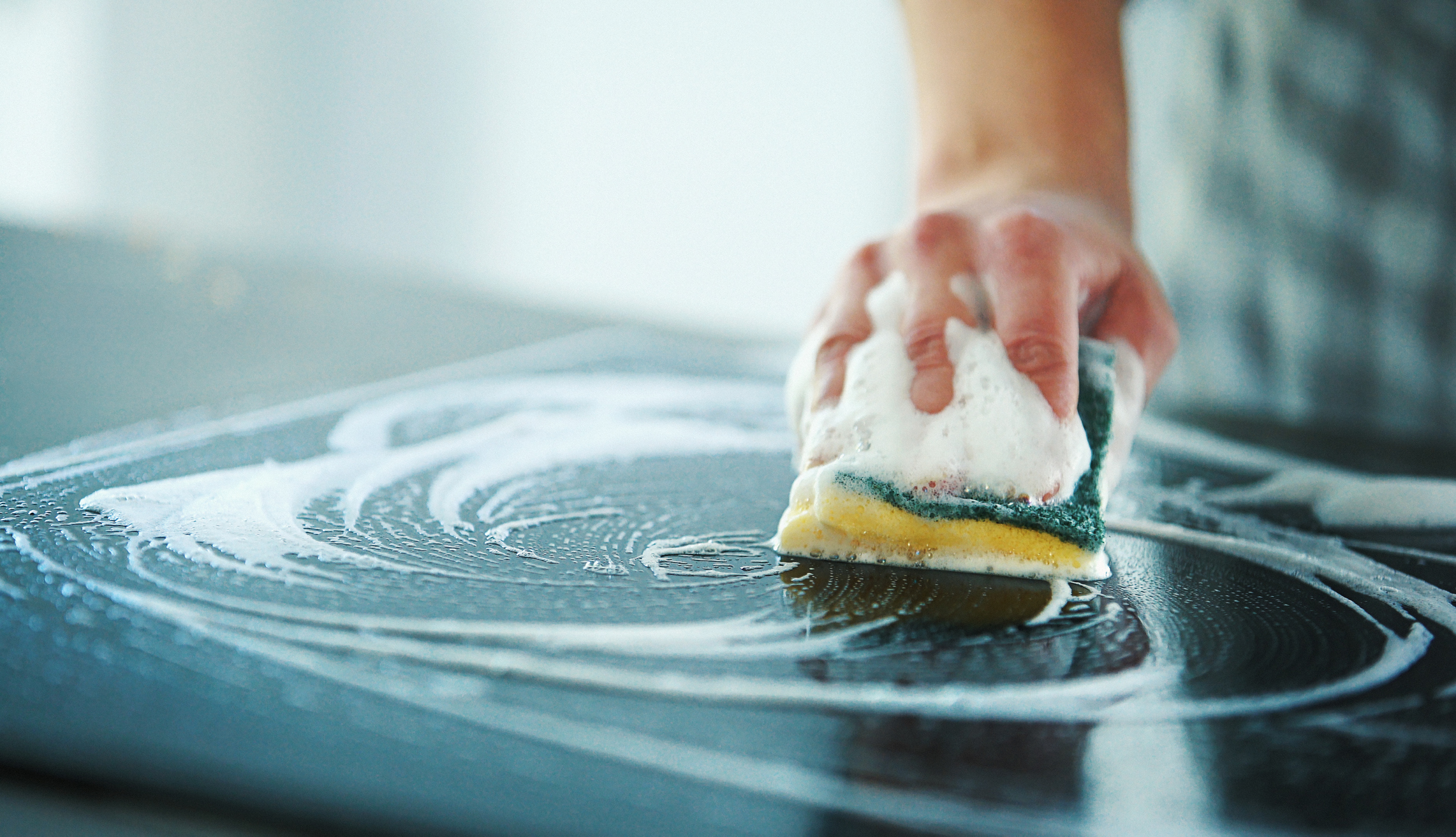
Moving out of a rental is stressful enough without losing a chunk of your bond over a missed exhaust fan or a greasy oven rack. A thorough vacate cleaning checklist takes the guesswork out of the process and gives you a clear, room-by-room path to a full bond refund. Whether you're tackling the job yourself or checking behind a professional cleaner, knowing what landlords and property managers actually look for makes all the difference.
Jurisdictional note: This article draws on tenancy legislation and tribunal decisions from New Zealand and various Australian states. Because laws and tenancy agreement requirements vary by jurisdiction, always check your specific state or territory legislation and your individual lease before relying on any guidance here.
What the Law Actually Requires
Under the Residential Tenancies Act, tenants must leave the property "reasonably clean and tidy" and are not responsible for fair wear and tear. That phrase — "reasonably clean" — is deliberately flexible, and it has caused countless disputes. Disagreements between landlords and tenants about what "reasonably clean and tidy" actually means are a recurring theme in tenancy tribunal proceedings across multiple jurisdictions.
The Tenancy Tribunal has indicated in various decisions that "the words 'reasonably clean and reasonably tidy condition' do not impose an absolute standard," that "this standard will vary according to the age and condition of the premises," and that "there is no requirement that each and every individual item in the premises be left 'reasonably clean and tidy', only an overall obligation in relation to the tenancy premises." (Readers seeking to rely on specific tribunal rulings should locate the relevant case references from their jurisdiction's tribunal database.)
In plain terms: you're not expected to return the property in better condition than you received it. But you are expected to match it.
How the Move-In Condition Report Sets the Benchmark
A move-in rental property inspection report is a detailed record of a rental property's condition at the beginning of a tenancy, representing a benchmark that can be referred back to at the end of the tenancy. This document is often the most important piece of evidence in a bond dispute.
The Tenancy Tribunal uses the benchmark of how the property was when you moved in. If you received a clean, freshly presented rental, you need to return it that way. This is where move-in inspection reports become crucial: if the ingoing report documented issues, you're not responsible for them on exit.
Property managers should do an ingoing inspection report that includes photos of what the property looked like at the start of a tenancy. This is the baseline for how clean the property should be when the tenant moves out.
Before you start cleaning, pull out your copy of that report. Go through it room by room, noting any pre-existing marks, stains, or damage that were recorded at move-in. You are not responsible for those. Focus your energy on what has changed during your tenancy.
Kitchen: The Highest-Risk Room
Kitchens are among the most common sources of bond deductions. With time, food splatters, grime, and grease can gather on the inside and outside of your oven, microwave, and other appliances, making them look greasy and unhygienic — and it is one of the main reasons for rental disputes.
Here's what to cover in the kitchen:
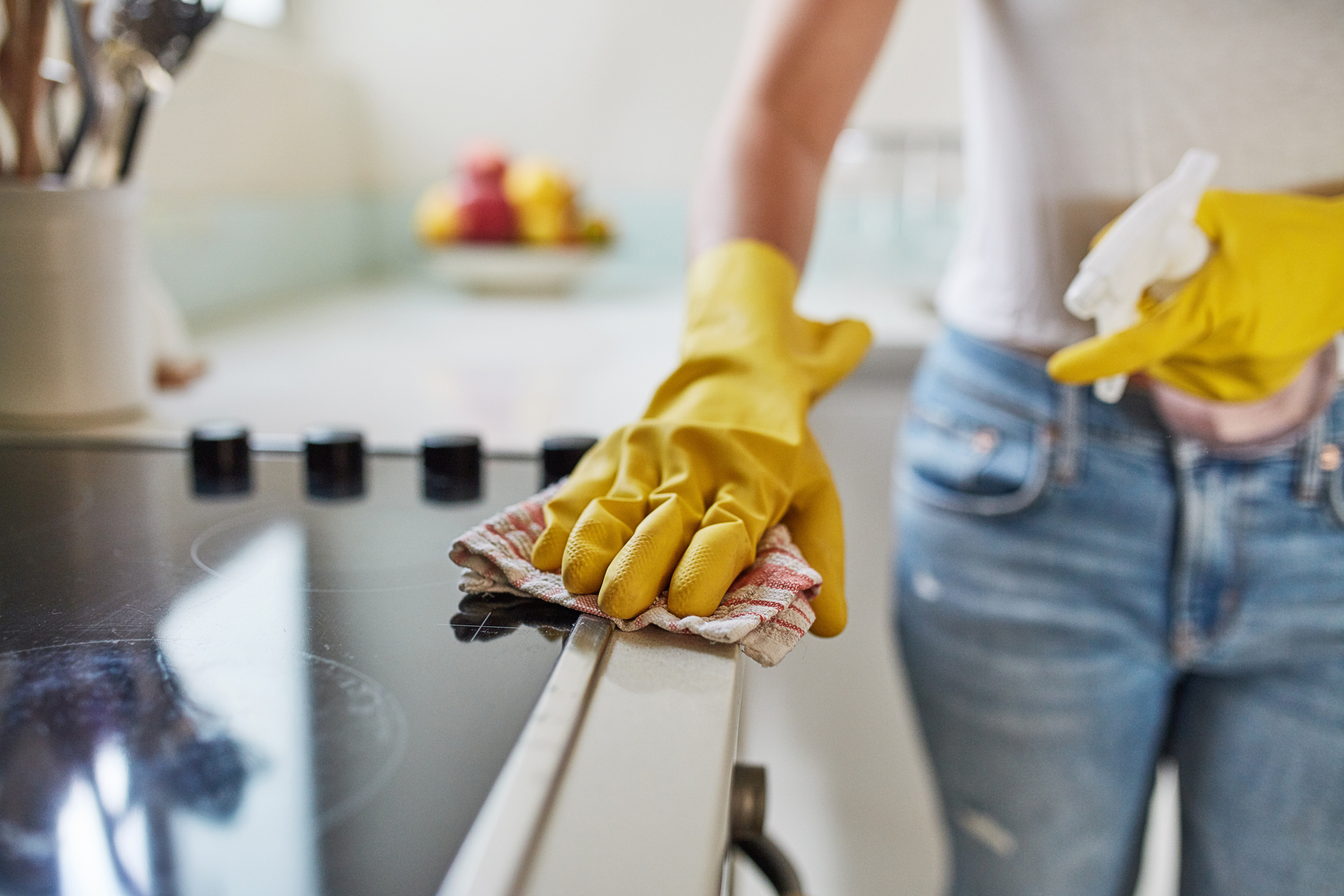
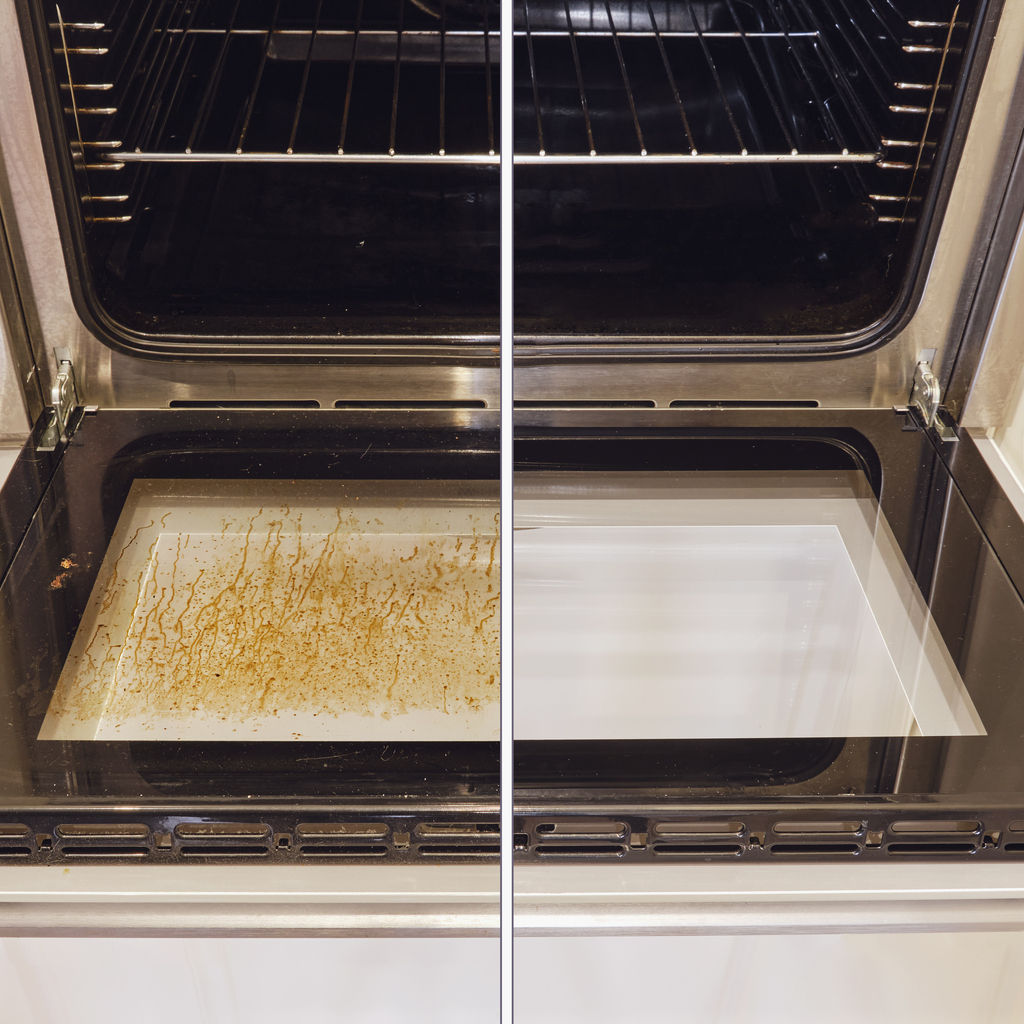
Oven and cooktop: Clean inside the oven cavity, the grill pan, and all racks. Degrease the stovetop burners and drip trays. Wipe down the control panel. Ovens should be left reasonably clean, but tenants are not required to restore an oven to a "like new" condition. That said, baked-on grease accumulated over months will almost certainly raise a flag.
Rangehood: Remove and clean the filter. Rangehood grease buildup is frequently noted during final inspections.
Cupboards and drawers: Wipe the inside and outside of every door, shelf, and drawer face. Pull out the crumb trays in drawers if there are any. Pay attention to hinges and handles where grime collects.
Sink and taps: Descale around the tap bases and remove any soap residue or limescale. Clean the plughole and the underside of the overflow.
Splashbacks and walls: Degrease any splashbacks near the cooktop. Wipe down wall surfaces within reach of the stove.
Dishwasher: Clean the filter at the bottom of the tub, wipe down door seals, and run a cleaning cycle if the machine is particularly grubby inside.
Fridge: If you're leaving the property unfurnished and the fridge belongs to the landlord, defrost it, wipe out every shelf and crisper drawer, and clean the door seals.
Bathrooms: Grout and Mould Are the Fail Points
Bathrooms are closely inspected because they're prone to the kind of build-up that signals ongoing neglect. Soap scum, limescale, and mould build-up are common issues that fail inspection standards.
The areas tenants most often miss:
Grout lines: Mould and discolouration in tile grout are easy to overlook during routine cleaning, but a property manager walking in with a fresh eye will spot them immediately. Use a grout brush and a bathroom mould cleaner. Allow it to dwell before scrubbing.
Shower screens and tracks: Remove soap scum and mineral deposits from glass and clean inside the frame tracks, where soap residue and mould tend to accumulate out of sight.
Exhaust fans: Dust-clogged exhaust fans are a classic overlooked item. Remove the cover, clean the grille and fan blades, and replace the cover. A dusty exhaust fan is a visible sign that cleaning hasn't gone beyond surface level.
Toilet: Clean the bowl including under the rim, wipe down the cistern lid and exterior, and clean behind and underneath the toilet base.
Vanity cupboards: Wipe inside and out, including the undersink area. Check for any residue, hair, or product staining.
Mirrors: Remove any toothpaste splatter or water marks.
Bedrooms, Living Areas, and Wardrobes
These rooms look straightforward but have their own set of overlooked areas.
Wardrobes: Wipe all internal shelves and rails. Vacuum the floor of the wardrobe cavity. Check the tops of high shelves. Many tenants vacuum and mop the main floor but forget the inside of built-in wardrobes entirely.
Skirting boards: Dusty or dirty skirting boards across multiple rooms can contribute to an overall finding that the property was not left reasonably clean — and because cleanliness is assessed as an overall impression, consistent neglect of surfaces like these adds up. Wipe down every skirting board in every room.
Light switches and power points: Fingerprints and grime accumulate around light switches and power point covers over time. Wipe each one down with a damp cloth, being careful not to wet the socket itself.
Window tracks and sills: Clean the glass, wipe the sills, and use a vacuum or damp cloth in the window tracks to remove accumulated grit and insect debris.
Ceiling fans and light fittings: Dust and wipe the blades of ceiling fans. Remove light fitting covers where possible and clean inside them — dead insects are a common discovery during final inspections.
Hard floors: Dust on ceiling fans, light fixtures, skirting boards, and behind appliances is often overlooked. For hard floors specifically, sweep and mop thoroughly, including under furniture and along the edges of the room where dust collects.
Carpet: Vacuum thoroughly, including under beds and along walls. Address any stains with an appropriate spot cleaner. The property needs to be reasonably clean and tidy when you leave, and you do not always have to get the carpet professionally cleaned unless this is needed to bring your property up to this standard. Note that requirements around professional carpet cleaning vary by jurisdiction and by the terms of your individual tenancy agreement — check your lease and applicable local legislation.
Doors, Walls, and Other Easy-to-Miss Surfaces
Walls don't need to be repainted unless you've caused damage beyond fair wear and tear. But they do need to be wiped down. Focus on:
- Door frames and the tops of doors, which collect dust and hand marks
- Light switch surrounds and the wall area around frequently touched spots
- Door handles, which are rarely cleaned during routine tidying
- Sliding door tracks, which accumulate grit and debris
For scuff marks on walls, a slightly damp microfibre cloth will lift many of them. If you painted a room during the tenancy, check your tenancy agreement and the condition report regarding your obligation to restore the original colour.
Outdoor Areas: Often Forgotten, Always Inspected
When it comes to end-of-lease cleaning, it can be easy to focus on the interior. But doing so neglects your outdoor areas, which are just as crucial in the mission to get your bond back.
Many tenants deep clean inside the property but lose their bond due to a dirty outdoor area. Outdoor obligations vary depending on your specific tenancy agreement — check your lease carefully, but common requirements include maintaining patio areas, garages, and garden spaces in a reasonably tidy condition comparable to how they were at move-in.
Garage: Sweep the floor thoroughly and remove any oil stains if possible. Wipe down the inside of the garage door and any shelving. Remove all personal items and rubbish. Balconies, patios, and garages must be cleaned as part of the final inspection.
Balcony or deck: Sweep and wash the floor surface. Clean the railings and any built-in furniture the landlord provided. Check for mould on walls or ceilings if the area is covered.
Garden beds: Remove weeds, fallen leaves, and any rubbish. Garden beds don't need to be perfectly manicured, but they should be reasonably tidy. If the garden was well-maintained at move-in and is now overgrown, that's likely to be flagged.
Lawn: Mow and edge the lawn before the final inspection. If the lawn was healthy at move-in, it should be in comparable condition on exit, accounting for seasonal variation.
Paths and driveways: Sweep clear of leaves and debris. If there are significant oil stains on a driveway, make an effort to treat them.
Bins: Empty and clean the inside of all bins. Mould and food residue inside bins is a common inspection fail point that tenants don't think about.
The Common Fail Points: A Summary
Substandard or surface-level cleaning is one of the top reasons for bond deductions. Renters often focus on dusting or scrubbing visible areas and forget hidden or hard-to-reach spots that landlords thoroughly check.
The areas most consistently flagged during inspections are:
- Inside the oven and rangehood filter
- Bathroom grout and mould on silicone seals
- Exhaust fans
- Skirting boards
- Light switches and power points
- Inside wardrobes and kitchen cupboards
- Window tracks
- Tops of doors and door frames
- Outdoor areas including the garage, balcony, and garden
If you work through every item on a room-by-room list, you won't need to guess. A useful practical rule of thumb sometimes cited by property managers is that an area can be considered clean when it cannot meaningfully be improved with a cleaning product — though note that the legal standard in tenancy disputes is defined by legislation and tribunal decisions, not this informal test. Use it as a prompt, not a legal benchmark.

GetCharlie
Hire local verified tradespeople to maintain your home
Hire local verified tradespeople to maintain your home
Learn more about GetCharlie and get started today.
Visit GetCharlie